



Conversations with Empathy
Empathy is an important quality that allows us to understand and share the feelings of others. It's an essential aspect of building strong relationships and connecting with people on a deeper level.

Supporting Someone After a Traumatic Event
Not everyone who experiences trauma will go on to develop PTSD, but some people might. PTSD can have a significant impact on an individual's daily life and mental health, and it's important to provide support to someone who may be experiencing this condition. In this blog post, we will explore PTSD and discuss how you can support someone who has experienced a traumatic event following mental health first aid guidelines.

Building Empathy at Work
Empathy is a crucial skill in any workplace, as it allows individuals to understand and connect with their colleagues, clients, and customers on a deeper level. It is the ability to understand and share the feelings of others, putting oneself in their shoes and imagining what they might be going through. Developing empathy at work can lead to better communication, increased productivity, and a more positive work environment. In this blog post, we will explore some ways to develop empathy at work.

How To Manage Employees With Mental Health Illness
Read our blog to learn how to support your staff who may be experiencing a decline in their mental health.

Workplace Wellbeing Consultancy
A workplace well-being consultant works with companies to improve the health and well-being of their employees. They provide advice, guidance, and practical solutions to help employees lead healthier and more balanced lives. This could include policy development, assessing and minimising the risk of psychosocial injuries, providing external consultancy to HR or WHS staff, implementing workplace wellbeing programs and providing mental health training such as Mental Health First Aid.
Here are some of how a workplace well-being consultant can help your company:

Delusional Disorder - Understanding signs and symptoms
Delusional disorder is a type of mental illness characterised by the presence of delusions (psychosis), which are fixed, false beliefs that are not in line with reality. People with delusional disorder often have strong convictions about these delusions, which can greatly affect their daily lives and relationships with others.
Major Depressive Disorder
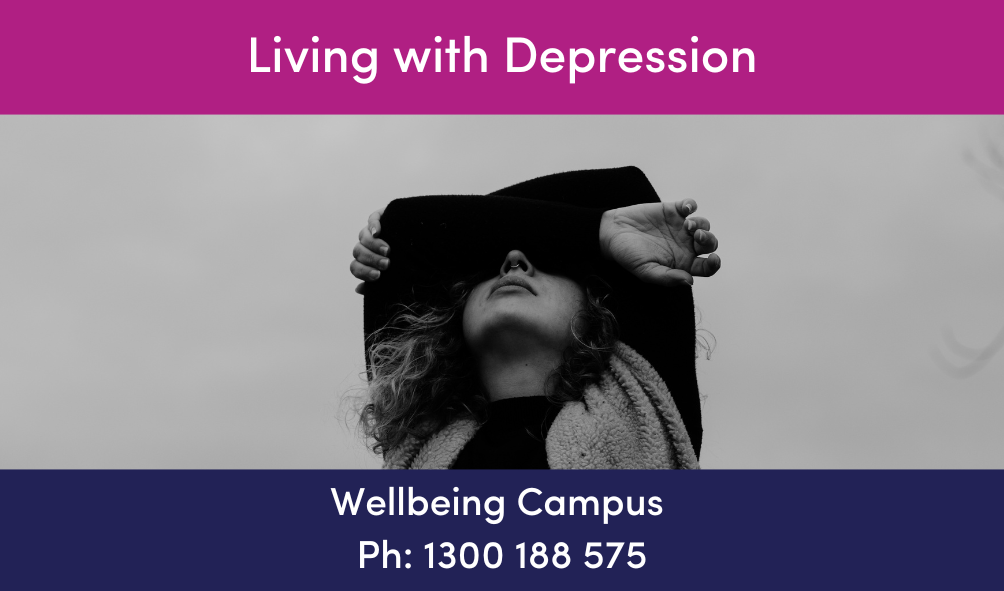
Depression is a mental health disorder that affects many Australians, with over 1 million people experiencing depression in any given year. It can have a significant impact on an individual's quality of life and ability to function, so it's important to learn how to manage depression effectively.

Counsellor - Why it’s important to check credentials.
When seeking help for mental health issues, it can be overwhelming to choose a counsellor or therapist who is best suited to help you. With so many different types of professionals available, ranging from counsellors, coaches to psychologists, it can be difficult to know who to turn to for evidence-based care.

Workplace Stressors & Improving Wellbeing
Workplace stress commonly affects employees' mental and physical health, job satisfaction, and overall productivity. According to the Australian Bureau of Statistics, almost half of all Australian workers experience job stress. Employers need to recognise and address the root causes of workplace stress to create a healthy and sustainable work environment for their staff. In this article, we will discuss some of the leading causes of workplace stress and provide strategies that employers can implement to reduce stress.

Social Anxiety: Symptoms
Social Anxiety: Signs, symptoms and treatment options. Wellbeing Campus, Mental Health First Aid and Workplace Wellbeing

Understanding Suicide Prevention Programs in the Workplace
Suicide is a serious public health issue that affects millions of people worldwide, including Australians. It is the leading cause of death for Australians aged 15-44, and for every suicide, there are an estimated 30 suicide attempts. The impact of suicide extends beyond the individual who takes their own life, affecting family members, friends, and colleagues.

Self-Care - Why is it important?
In today's fast-paced world, self-care has become a buzzword. The term refers to a range of activities and practices that help individuals take care of their physical, emotional, and mental well-being. Self-care can range from taking a walk in nature, getting a massage, meditating, or taking a warm bath. These practices are essential for maintaining good health and can prevent burnout, anxiety, and depression.

HR & Mental Health: What role do you play?
Human Resources (HR) is an integral part of any organisation. One of the key responsibilities of HR is to ensure that the well-being of employees is taken care of. This includes both physical and mental health. Mental health is a critical issue that needs to be addressed in the workplace. Employers have a responsibility to ensure that the workplace is conducive to good mental health and that employees are supported in times of need.

Reasonable Adjustments in the Workplace
Mental health is an important consideration for employers in Victoria, Australia, as they have legal obligations to promote positive mental health in the workplace. The Occupational Health and Safety Act 2004 (OHS Act) and the Occupational Health and Safety Regulations 2017 (OHS Regulations) outline the responsibilities of employers to protect the health and safety of employees in the workplace. Here are ten reasonable adjustments that employers can make to comply with these regulations and promote positive mental health in the workplace.

Developing Resilience
Resilience is the ability to bounce back from adversity, to adapt to change and to thrive despite challenges. Resilient people are better equipped to deal with life's ups and downs, and they tend to have better mental and physical health. If you want to improve your resilience, here are some tips that can help.

Disclosure in the Workplace
Mental illness affects many Australians, with an estimated one in five people experiencing a mental health condition in any given year. Despite the prevalence of mental illness, there is still a significant stigma attached to it, which can make it difficult for those living with mental health conditions to disclose their status in the workplace. In this blog post, we will explore the pros and cons of disclosing that you live with a mental illness in the workplace.

Life Balance
Finding life balance can be a challenging task in today's fast-paced world. With so many demands and distractions competing for our attention, it's easy to feel overwhelmed and pulled in different directions. However, achieving balance in your life is essential for your overall health and well-being. Here are some tips to help you find the right balance in your life.

Living with Anxiety
Anxiety is a complex issue that affects many people in different ways. While stress and anxious feelings are natural responses to pressure, anxiety can have various physical, psychological, and behavioural effects that can impact daily life. In some cases, anxiety can be debilitating and lead to an anxiety disorder, which requires professional help.

Why Adults Bully?
Research suggests that there are several factors that contribute to why adults engage in bullying behavior. One major factor is a history of being bullied themselves. Studies have found that individuals who were bullied during childhood or adolescence are more likely to become bullies in adulthood. Additionally, adults who experience high levels of stress or who have low self-esteem may also be more likely to engage in bullying behavior. Furthermore, research suggests that cultural and societal factors, such as a culture of violence or a lack of emphasis on empathy and kindness, may contribute to the prevalence of bullying in certain communities. Overall, the reasons why adults bully are complex and multifaceted, and further research is needed to fully understand and address this issue.